
This is an old revision of the document!
(Image: https://cdn.durable.co/getty/21UbeR6TFo7oQUHhpfe15RX3g34Z1LLHl42mUccqzFmVQVYU4wUzO7HJ60ZMXH7o.jpeg)
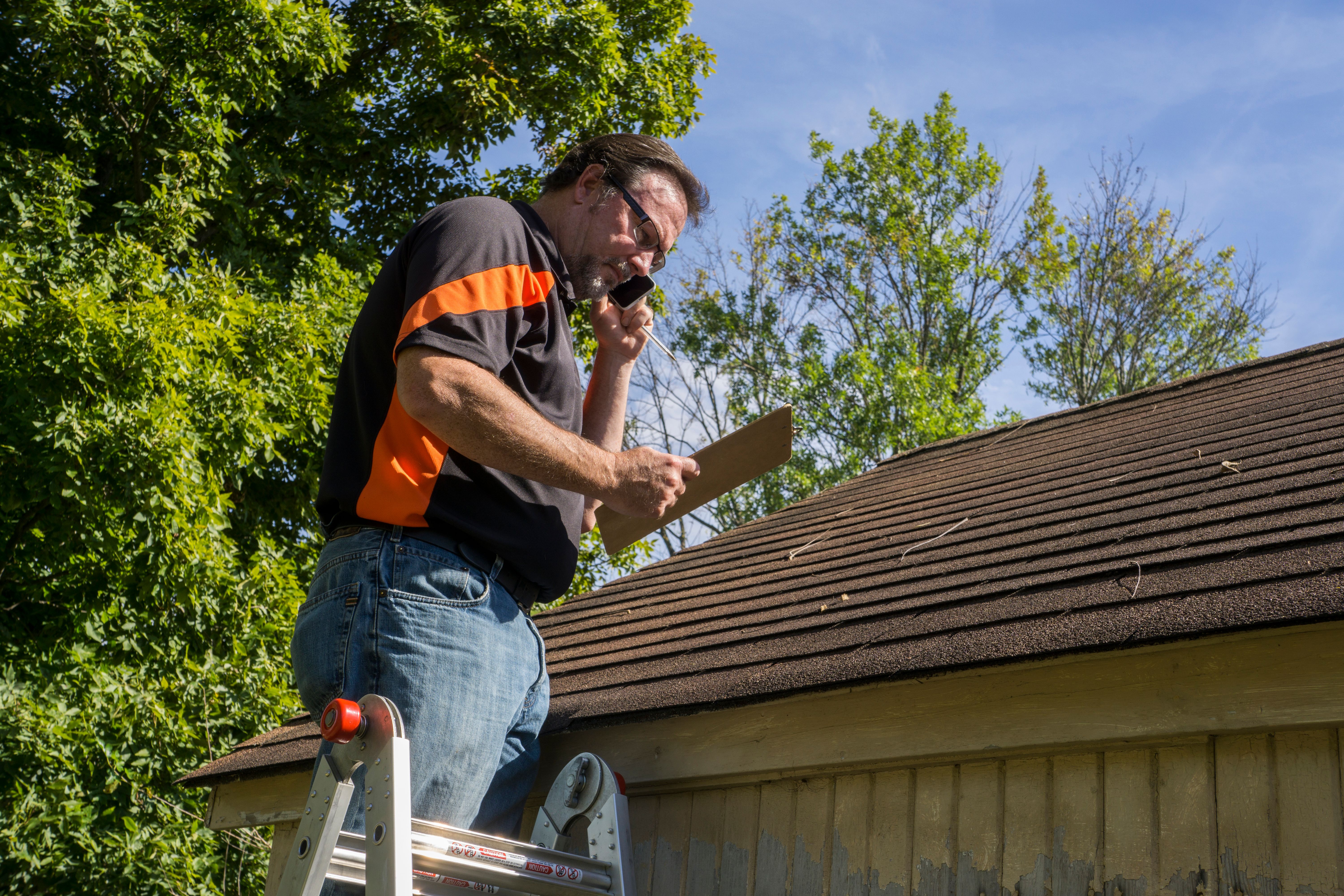
Getting a roof project right starts with clear goals and a steady plan that adapts to supply delays. We focus on workflow cadence so crews stay accountable, and so materials land exactly when prep begins. You’ll see why thoughtful scheduling beats rush jobs every time, with steps that protect your budget. We map the week in phases early, then dial in contingencies for storm windows. This method curbs risk and surprise costs. Along the way, we explain how roofing affects durability, and how moisture checks keep warranties intact. You’ll know what to expect before demo starts, from day-one prep through final walk-through, with plain talk anyone can follow.
Scoping the exact job size and timeline that sticks
We start with measured surveys and a clear map of must-haves versus later upgrades. roofing Next, we place material gates where they matter, so a project lead can sign off before crews roll forward. This catches scope creep before it explodes. On a duplex, for example, we might phase gutter work by unit, limiting dust zones while staying on budget.
(Image: https://fiveguysroofing.com/wp-content/uploads/professional-roofing-services-scaled.jpg)
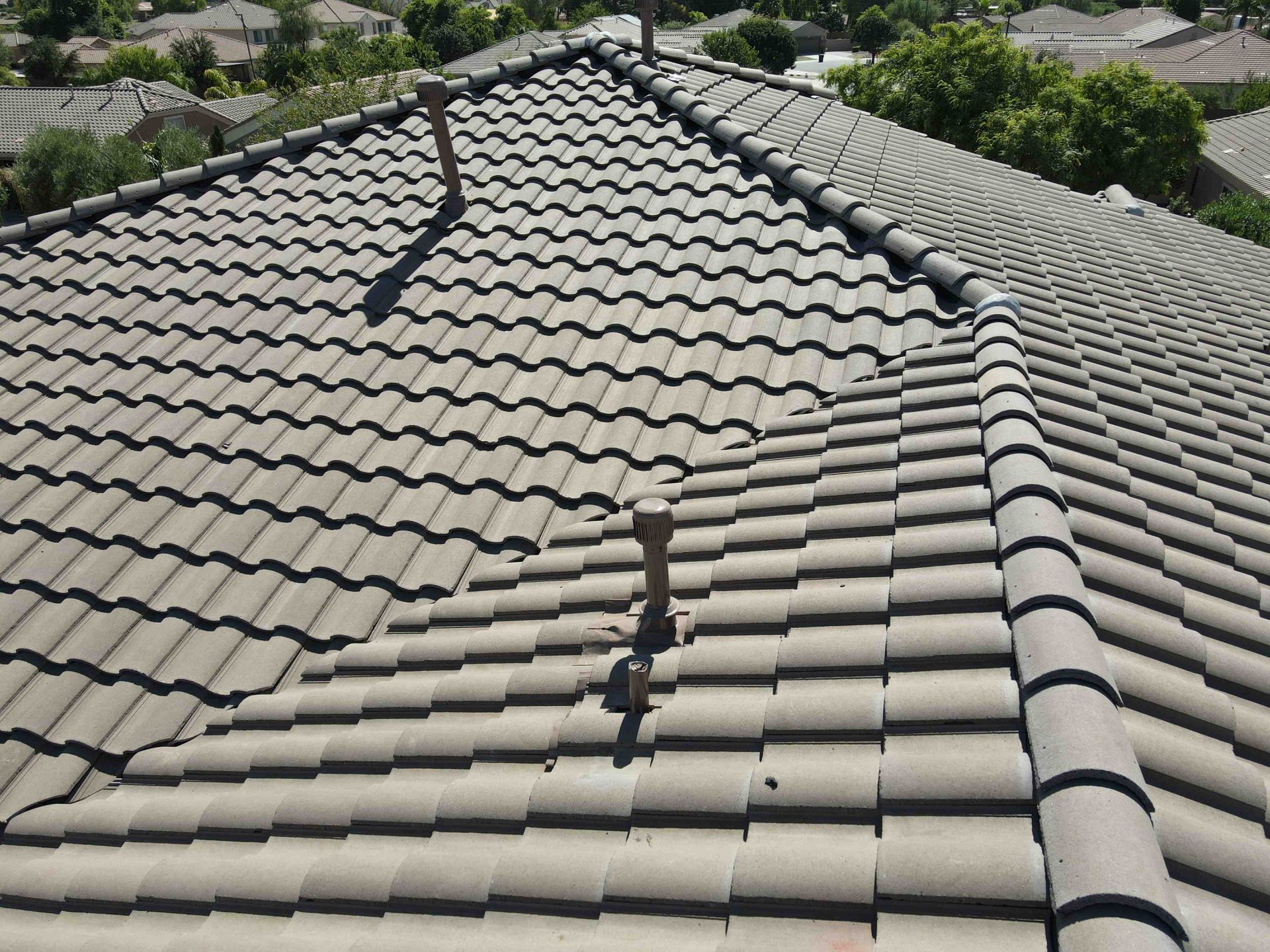
Then we sharpen the deliverable dates using wind data. We bundle small add-ons now to prevent midweek restarts. If storms threaten, we reorder tasks so the crew stays productive without risking dry-in. You get dates without fluff, plus a one-page brief that lists who’s doing what—and when.
Choosing inputs and components that suit site and climate
On materials, we align fastener type with wind zone, and we size drip edge to your eaves. roofing If the attic runs hot, we pair balanced vents with tight air sealing. That pairing keeps the deck drier, and it sets up a smoother roof replacement later.
For a small café with flat sections, we compare modified bitumen using repairability as the yardsticks. We show sample cutaways, then price the base sheet in better brackets. Managers see performance in simple terms. If deliveries slip, we shift to skylight prep so install stays on pace without crew idle time.
Orchestrating workflow and site rhythm for speed
Tight sequencing makes the biggest difference on shared drives. roofing We pencil in trash pulls, reserve dumpsters, and assign finish windows that fit your neighbors’ routines. One slip can echo all week, so we buffer the long poles with weather flex. That keeps noise shorter and days cleaner.
For scheduling, we keep a three-day board that flags inspections in time. If a crane runs late, we leapfrog tasks and fill gaps with site cleanup. You get motion even in headwinds. Homeowners who search roofing contractor near me often ask how we avoid midday pileups. Our method is simple and steady: small buffers, morning check-ins, and daily sign-offs you can track.
Managing quality and risk with checks that stick
Quality starts at the edges: we pre-fit starter rows and test lap directions before full runs. roofing On a windy ridge, we adjust cap placement and verify with a quick pull test. Tiny fixes now avert major callbacks. We also photo-log pipe boots so owners see what changed and why.
Risk lives in the unknowns. We open small probes first to gauge fastener bite. If a plank crumbles, we sister and seal before advancing the front. That keeps progress steady without risk. On light commercial sites, we add caution lines, post debris drops, and brief tenants with contact names. Simple rules cut hazards and worry.
Caring for new roofs with maintenance that lasts
After the punch list, we hand over a seasonal checklist highlighting valleys that deserve quick looks. roofing We suggest spring washdowns and note when counterflash should get a swap. These five-minute habits save headaches. Owners who book a quick check avoid moldy insulation down the road.
Consider a rental with trees that shed hard. We add screens now to reduce gutter clogs, then label cleanouts for easy access. If managers rotate, the plan still works. A twice-year visual, plus post-storm photo checks, keeps loose caps from turning into interior stains. Simple beats fancy when done on schedule.
Conclusion A strong project blends tight scope, right-sized materials, and smooth handoffs that adapt to weather. Quality checks and small buffers pay off, especially when maintenance keeps the roof healthy for years. You’ve seen how planning, detail choices, scheduling discipline, and inspection routines work together. Do the fundamentals with care, and the results will last longer, look better, and cost less over time.